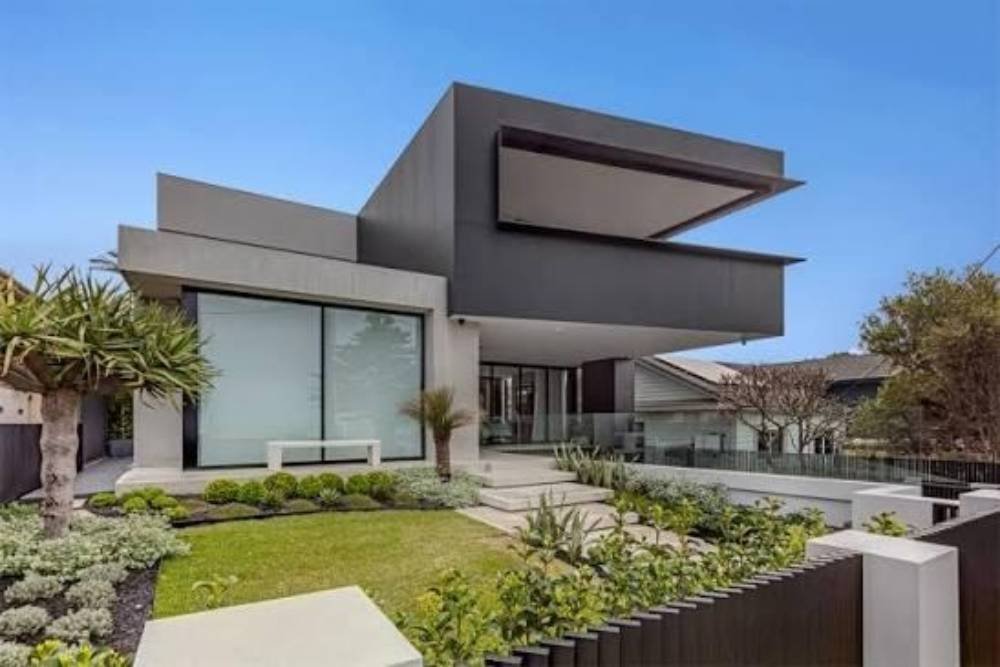
A custom home works best when its plan reflects real routines rather than an imagined version of daily life. The most useful design questions are often ordinary ones: where bags are dropped, how people move through the kitchen, when rooms need privacy and which spaces sit empty most of the week. Those details can guide a home that feels natural from the first day.
1.Map the busiest parts of the day
Start with repeated movements. Morning traffic between bedrooms, bathrooms, wardrobes and the kitchen can reveal where circulation needs to be simple. The same applies to arriving home with shopping, getting children ready or moving between indoor and outdoor entertaining areas. Discussing these patterns with custom home builders Sydney households are considering gives the design team practical information that a room list alone cannot provide.
2.Design storage around objects, not labels
“More storage” is too vague to be useful. A family may need space for sports equipment, luggage, appliances, school items, wine, cleaning tools or bulky serving pieces. Measure important items and think about where they are used. Storage near the point of use reduces unnecessary movement and helps rooms remain calm without depending on oversized cupboards everywhere.
3.Decide where togetherness should stop
Open-plan living can support conversation and shared activity, but not every task benefits from openness. Video calls, music practice, homework and television may compete for attention. A smaller retreat, acoustic separation or a door between zones can provide flexibility. Privacy should also be considered between bedrooms, guest areas and the street, especially when several generations live under one roof.
4.Give furniture a role in the floor plan
Rooms should not be designed first and furnished later. A dining table needs space for chairs to move. A sofa needs a sensible relationship with doors, views and circulation. Bed positions influence windows and power points. Early furniture planning helps custom home builders Sydney projects avoid attractive spaces that become awkward once everyday pieces are introduced.
5.Match the kitchen to the household
Some people cook elaborate meals, while others mainly assemble quick food. Some want guests close to the action; others prefer preparation to remain partly screened. Pantry size, appliance position, bench depth and routes to outdoor dining should reflect those habits.
6.Plan for change without designing for every possibility
A home may need to support teenagers, ageing parents, remote work or reduced mobility in future. Flexible rooms can respond to several of these changes without becoming generic. A study with nearby bathroom access might later serve as a guest room. Wider circulation or a level entry may improve convenience now as well as accessibility later.
7.Test the plan against a normal week
Before approving a layout, mentally walk through several days. Consider laundry, rubbish, deliveries, pets, cleaning, quiet time and the way guests arrive. Notice where paths cross or where a door could block another activity. This practical test often exposes small issues that are difficult to see in a presentation drawing.
A useful final check is to ask which spaces could be smaller without reducing comfort. Extra floor area adds cleaning, furnishing and circulation as well as construction. A compact room with the right proportions, storage and outlook may work better than a larger one with no clear purpose. Custom design should make space intentional, not simply abundant, with every area earning its place in daily life.
The value of working with custom home builders Sydney clients choose is not simply the ability to select finishes or alter dimensions. It is the opportunity to make the building respond to specific habits, priorities and relationships. A successful custom design does not make daily life feel staged. It quietly supports the way the household already lives, while leaving enough flexibility for that life to change.


