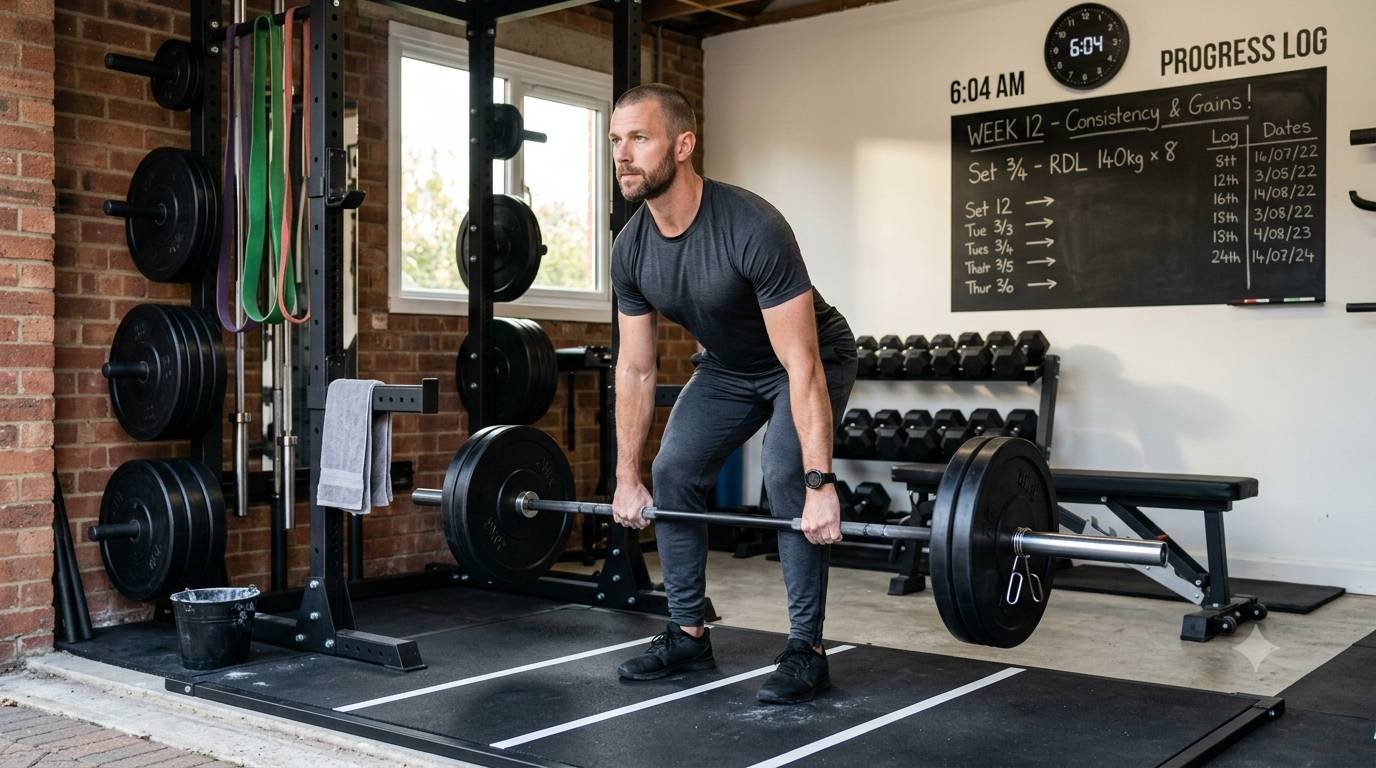
Consistent progress is easier to recognise when the training environment itself is consistent. Athletes need variation to develop, but constant changes in layout, measurement and coaching cues can make improvement difficult to track. A strong setup gives coaches reliable reference points while still allowing the session to evolve.
1. Give every station one main purpose
A station should make the target skill obvious. If one area asks athletes to solve speed, rhythm, balance and accuracy at the same time, the coach may struggle to identify what caused a poor repetition. Simpler stations make feedback more specific. They also allow one variable to be changed without rebuilding the whole activity.
2. Standardise what needs to be measured
When a drill is used to compare performance over time, the setup should be repeatable. Distances, start points, heights or other relevant references should be recorded consistently. Athletics equipment used for marking or measurement should be placed in the same way when the comparison depends on it. Without this control, apparent improvement may partly reflect a different setup.
3. Keep repetitions flowing
Progress needs enough quality practice. Long queues, complicated resets and crowded stations reduce useful work even when the drill itself is good. Coaches can estimate how many athletes can use each area and how long one turn takes. Adding a parallel station or simplifying the task may create more learning than adding extra complexity.
3. Build clear progressions into the layout
A well-designed session can allow athletes to move from an easier task to a harder version without losing the technical focus. For example, a coach might increase distance, remove a cue or add speed while keeping the same basic movement pattern. This makes progression visible and gives athletes a reason for each change.
4. Use equipment as feedback, not decoration
Markers, hurdles, targets and other tools can provide immediate information when they are linked to the skill. They are less useful when they make the session look busy but do not change what the athlete learns. Before adding athletics equipment, coaches can ask what information it gives the athlete or what behaviour it is intended to encourage.
5. Leave room for coaching observation
Stations should not be packed so closely that the coach cannot see key movements. Clear sight lines help staff compare repetitions and give timely feedback. Space also makes it easier to separate groups working at different speeds. The best layout supports both the athlete’s task and the coach’s ability to evaluate it.
6. Review the setup when progress stalls
If an athlete repeats the same error, the answer is not always more effort. The drill may be too easy, too difficult or poorly matched to the problem. Coaches can change one element and watch the response. A smaller target, different approach or reduced speed may reveal whether the setup is helping the athlete practise the intended action.
7. Keep resources ready and reliable
Training loses momentum when staff spend several minutes finding a missing item or correcting a damaged station. Organised storage, routine checks and clear return locations reduce these interruptions. Frequently used athletics equipment should be easy to access and should be managed according to relevant facility and manufacturer guidance.
Consistent progress does not require identical sessions every week. It requires a stable logic behind the changes. When the purpose, measurements, flow and feedback remain clear, coaches can vary the challenge while still understanding what the athlete is improving. That makes the training setup a practical tool for development rather than a changing background that obscures it.
A consistent setup also makes communication easier between coaches. When staff use the same names for stations, record the same measurements and understand the purpose of common drills, athletes receive fewer mixed messages. This matters especially when several coaches share a squad. Consistency does not require identical coaching styles, but it does require enough shared structure for progress to remain easy to follow.