Your home cooling system should operate in steady, balanced cycles that maintain comfortable indoor temperatures without excessive strain. When the unit begins turning on and off too frequently, it often signals an underlying HVAC issue that needs attention. Ignoring unusual cycling patterns can reduce energy efficiency, increase utility costs, and shorten the lifespan of your air conditioning equipment over time.
One of the most common cooling system concerns homeowners face is AC short cycling. This occurs when an air conditioner shuts off before completing a full cooling cycle, then quickly turns back on again. Frequent cycling places stress on major components such as the compressor and blower motor, reducing system performance while increasing the likelihood of expensive repairs or unexpected breakdowns during hot weather.
Understanding How Cooling Cycles Should Work
A properly functioning air conditioner runs through complete cooling cycles based on thermostat settings and indoor temperature conditions. During a normal cycle, the system operates long enough to cool the home evenly while managing indoor humidity and airflow. Once the target temperature is reached, the system shuts off temporarily before restarting later when needed.
Why Balanced Cooling Cycles Matter
Consistent cycling supports better energy efficiency, indoor comfort, and equipment reliability. When cycles become unusually short or frequent, the system may struggle to regulate temperature effectively. This can create uneven cooling, higher humidity levels, and excessive wear on HVAC components that are designed for stable operation rather than repeated rapid starts.
Common Signs Your AC Is Cycling Too Frequently
Frequent cycling often begins with subtle warning signs that homeowners may overlook at first. Paying attention to changes in system behavior can help prevent larger HVAC problems from developing later.
Warning Signs Include:
- Constant starting and stopping
- Uneven room temperatures
- Rising energy bills
- Reduced airflow from vents
- Higher indoor humidity
- Strange clicking or buzzing sounds
- Short cooling periods
These symptoms often indicate performance issues that require professional HVAC inspection or maintenance.
Dirty Air Filters Can Trigger Cycling Problems
One of the simplest causes of cooling issues involves clogged air filters restricting airflow. Limited airflow can cause your system to overheat or struggle to maintain proper temperature regulation.
How Restricted Airflow Impacts Performance
Dirty filters reduce the amount of air moving across evaporator coils, increasing pressure within the system. This strain can contribute to AC short cycling, especially during periods of heavy summer use. Replacing filters regularly improves airflow, supports energy efficiency, and helps maintain healthier indoor air quality throughout your home.
Thermostat Problems Can Disrupt Cooling Cycles
Thermostats play a critical role in controlling cooling system operation. Incorrect placement, faulty wiring, or calibration issues may cause the system to cycle improperly.
Common Thermostat Issues
A thermostat placed near direct sunlight or heat-producing appliances may misread indoor temperatures, causing unnecessary cycling. Older thermostats may also struggle with accuracy, reducing overall system efficiency and home comfort. Upgrading to a programmable or smart thermostat can improve cooling consistency and energy management.
Thermostat Improvements May Help:
- Reduce unnecessary cycling
- Improve temperature accuracy
- Lower energy consumption
- Support better humidity control
- Increase home comfort
Modern thermostat technology can help optimize HVAC performance year-round.
Refrigerant Issues and Cooling Performance
Low refrigerant levels are another major contributor to frequent AC cycling. Refrigerant allows your system to absorb and remove heat from indoor air effectively.
Signs of Refrigerant Problems
Leaks or improper refrigerant levels can force the system to work harder while struggling to complete cooling cycles. Homeowners may notice frozen coils, weak airflow, or warm air from vents. Refrigerant handling should always be managed by licensed HVAC professionals for safety and system protection.
Oversized Air Conditioners Can Cycle Too Quickly
Many homeowners assume a larger AC system automatically provides better cooling, but oversized units often create significant efficiency problems.
Why Oversized Systems Cause Trouble
An oversized air conditioner cools the home too quickly without completing full cycles. This prevents proper humidity removal and increases frequent startup activity. Short cycles can reduce comfort while placing additional stress on the compressor and electrical components over time.
Problems Linked to Oversized Systems Include:
- Uneven cooling
- Poor humidity control
- Increased equipment wear
- Higher utility bills
- Reduced system lifespan
Proper HVAC sizing is essential for long-term efficiency and comfort.
Electrical Problems May Affect Cycling Patterns
Electrical issues can also interfere with normal cooling operation. Damaged capacitors, loose wiring, or failing control boards may disrupt communication between system components.
Warning Signs of Electrical Trouble
Frequent breaker trips, unusual clicking noises, or inconsistent system startup may indicate electrical concerns. Because electrical failures can create safety hazards, professional diagnosis is important whenever these symptoms appear.
Preventative HVAC Maintenance Reduces Cycling Issues
Routine HVAC maintenance remains one of the most effective ways to prevent cooling problems and improve long-term performance.
Helpful Maintenance Habits
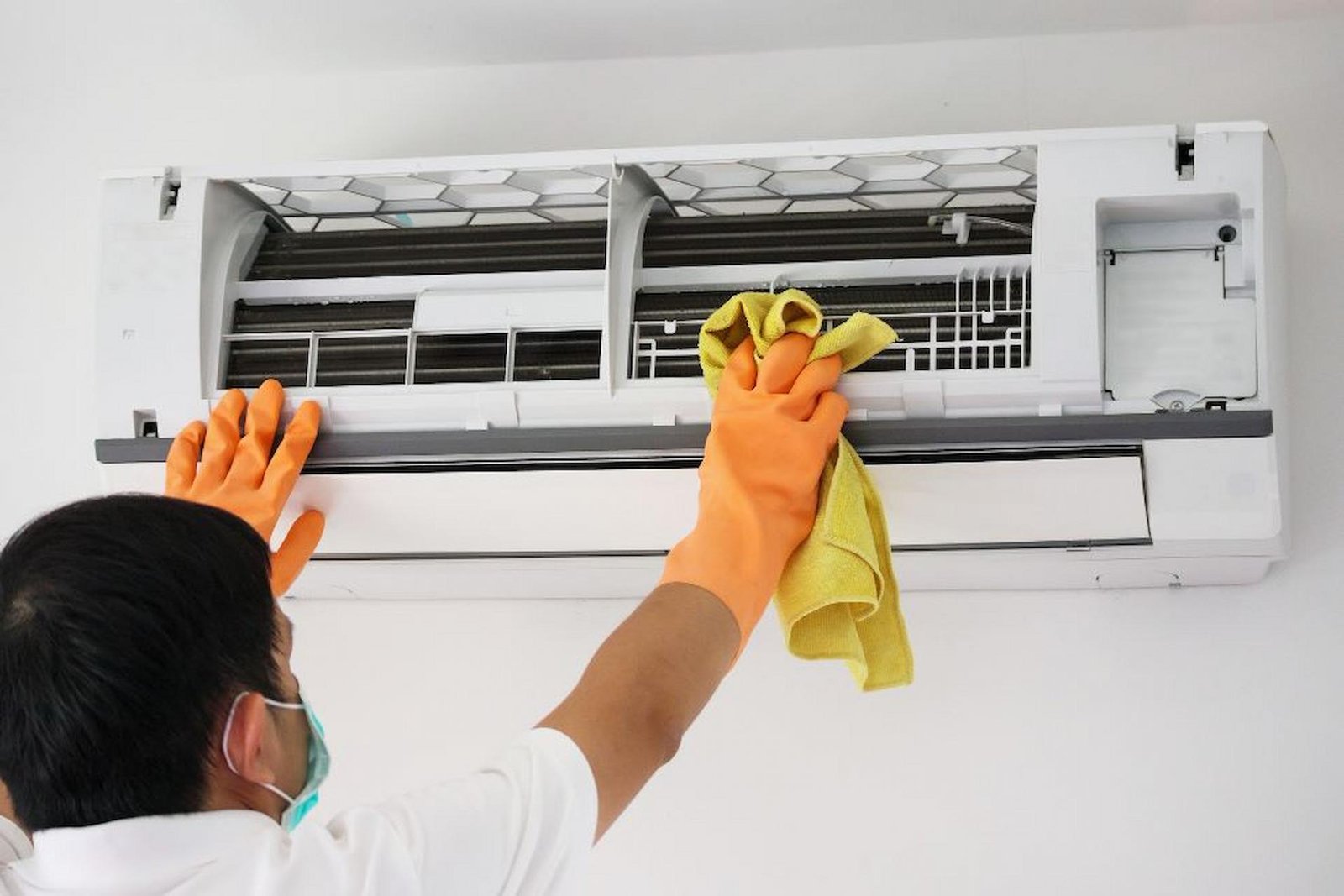
Annual inspections allow technicians to identify worn components, airflow restrictions, refrigerant concerns, and thermostat problems before they worsen. Regular maintenance also improves system efficiency, indoor comfort, and air quality.
Smart HVAC Maintenance Tips:
- Replace air filters every 1 to 3 months
- Keep outdoor condenser units clean
- Inspect vents for blockages
- Schedule seasonal HVAC tune-ups
- Monitor thermostat settings
- Address unusual sounds promptly
Preventative care can reduce emergency repair risks while extending equipment lifespan.
Indoor Comfort and Energy Efficiency Go Together
Frequent cycling affects more than mechanical performance. It also impacts daily comfort and monthly energy costs.
Long-Term Effects of Frequent Cycling
Cooling systems forced to start repeatedly consume more electricity than systems operating in balanced cycles. Increased strain may also shorten component lifespan and reduce humidity control. Resolving cycling problems early helps homeowners improve comfort while lowering unnecessary energy consumption and repair expenses.
Conclusion
Frequent cooling cycles are often an early warning sign that your HVAC system needs attention. Whether caused by dirty filters, thermostat problems, refrigerant leaks, oversized equipment, or electrical concerns, short cycling can reduce comfort, increase energy bills, and shorten system lifespan. Regular HVAC maintenance, proper airflow, and prompt professional inspections help prevent larger cooling issues before they become costly repairs. By recognizing the signs early and taking proactive steps, homeowners can maintain efficient cooling performance, healthier indoor air quality, and more reliable comfort throughout the year.