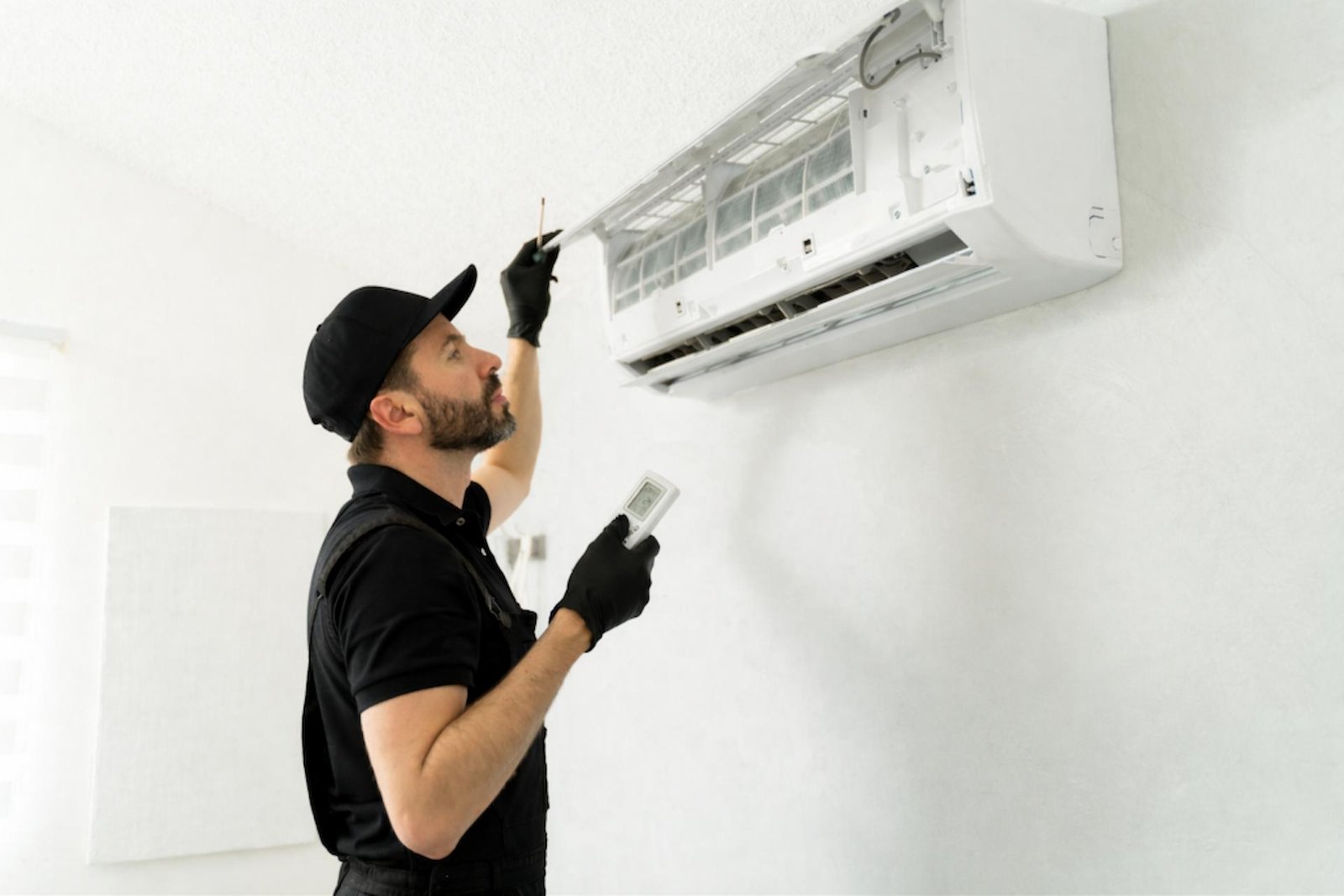
Buying a new air conditioning system is a major investment for any homeowner. A modern unit can improve indoor comfort, lower energy costs, and provide better temperature control throughout the year. However, even the best system on the market can perform poorly if it is installed incorrectly. Many people focus heavily on the brand or price of the unit while overlooking the importance of proper installation.
Before committing to a new system, it is worth understanding how proper AC installation affects performance, efficiency, and long-term reliability. The installation process plays a direct role in how effectively the system cools your home, how much energy it uses, and how long it lasts before repairs become necessary.
Why Proper Installation Matters
A poorly installed air conditioner can create ongoing problems from the very beginning. Issues such as uneven cooling, higher electricity bills, weak airflow, and frequent breakdowns are often linked to installation mistakes rather than the equipment itself.
Research from industry organisations has shown that improper installation can reduce system efficiency significantly. Even a high-efficiency air conditioner may fail to deliver expected savings if components are incorrectly sized or fitted.
Professional AC installation helps ensure that:
- Airflow is balanced throughout the property
- Refrigerant levels are correctly adjusted
- Ductwork connections are sealed properly
- Electrical systems meet safety requirements
- The unit operates at maximum efficiency
Homeowners who invest time in choosing the right installation approach often avoid costly repairs later.
Choose the Correct AC Size for Your Home
One of the most common mistakes people make is purchasing an air conditioner that is either too large or too small for the property. Bigger does not always mean better when it comes to cooling systems.
An oversized unit may cool the home too quickly without properly removing humidity from the air. This can leave rooms feeling damp and uncomfortable. On the other hand, a smaller system may struggle to maintain a stable temperature during warmer months.
Professional AC installation usually begins with a detailed assessment of the property. Contractors typically evaluate factors such as:
- Room size and layout
- Insulation quality
- Number of windows
- Ceiling height
- Sun exposure
- Local climate conditions
This process helps determine the correct cooling capacity for the home rather than relying on guesswork.
Pay Attention to Energy Efficiency Ratings
Modern air conditioning systems come with different efficiency ratings. Understanding these ratings can help homeowners make smarter long-term decisions.
The Seasonal Energy Efficiency Ratio (SEER) is one of the most important figures to consider. A higher SEER rating generally indicates better energy efficiency. Although high-efficiency systems may cost more initially, they can reduce monthly energy bills over time.
Energy-efficient systems also place less strain on internal components, which may help extend the life of the equipment. However, even the most efficient unit still depends heavily on proper AC installation to achieve its advertised performance.
Important Questions to Ask Before Installation
Many homeowners feel pressured to make quick decisions when replacing an old system, especially during extreme heat. Taking a little extra time to ask the right questions can prevent expensive mistakes later.
Here are several important questions worth discussing with the installer:
- Is the recommended system properly sized for the property?
- Will existing ductwork need modifications or repairs?
- What warranty coverage is included?
- How long is the expected installation process?
- Are permits or inspections required locally?
- What maintenance will the system need after installation?
- Will the thermostat also need upgrading?
These questions can help homeowners understand the full scope of the project rather than focusing only on the price.
Ductwork Can Affect Cooling Performance
Many people buy a new air conditioner without checking the condition of their ductwork. However, damaged or poorly designed ducts can reduce cooling efficiency dramatically.
Leaks, blockages, and poor insulation within duct systems may force the air conditioner to work harder than necessary. In some cases, homeowners replace the entire cooling unit when the real issue lies within the ductwork itself.
During AC installation, technicians should inspect the ducts carefully to identify airflow problems. Properly sealed and insulated ducts can improve cooling consistency while reducing energy waste.
Placement of the Outdoor Unit Matters
The location of the outdoor condenser unit can also influence system performance. Placing the unit in direct sunlight or near obstructions may reduce efficiency and increase wear on the equipment.
Ideally, the outdoor unit should have adequate airflow and sufficient clearance around it. Areas with excessive dust, debris, or restricted ventilation can create operational problems over time.
Installers generally recommend positioning the unit where it can remain accessible for future servicing while staying protected from unnecessary environmental stress.
Smart Thermostats and Modern Cooling Systems
Many newer air conditioning systems are compatible with smart thermostats. These devices allow homeowners to control indoor temperatures more efficiently through automated schedules and remote access.
Smart thermostats can help reduce unnecessary energy usage by adjusting cooling patterns based on occupancy and daily routines. Some models even provide maintenance reminders and energy usage reports.
When planning AC installation, it is worth discussing thermostat compatibility with the installer. Upgrading both systems together may improve overall comfort and convenience.
Don’t Ignore Maintenance After Installation
A new air conditioner still requires regular maintenance to perform effectively. Some homeowners assume that a brand-new system will operate perfectly for years without attention, but neglect can shorten its lifespan significantly.
Routine maintenance typically includes:
- Replacing or cleaning air filters
- Checking refrigerant levels
- Cleaning coils and components
- Inspecting electrical connections
- Testing airflow performance
Scheduling annual servicing can help identify small issues before they become major repairs. Proper maintenance also helps maintain energy efficiency over time.
Conclusion
Buying a new air conditioning system involves far more than selecting a well-known brand or finding the lowest price. The quality of the installation process plays a major role in determining how efficiently and reliably the system performs for years to come. Poor installation can lead to uneven cooling, rising energy costs, and unnecessary repair expenses, even with a high-quality unit.
Taking time to understand the basics of AC installation allows homeowners to make better decisions before committing to a purchase. From choosing the correct system size to inspecting ductwork and considering energy efficiency ratings, every detail matters. A properly installed system not only improves indoor comfort but also supports lower operating costs and longer equipment life. Careful planning today can help prevent expensive problems in the future while ensuring a more comfortable and energy-efficient home environment.