Introduction
Discovering foundation cracks can be one of the most unsettling experiences for any homeowner. While some cracks are a normal part of a home’s settling process, others may indicate serious foundation movement, structural damage, or underlying soil issues that require immediate attention. The challenge is knowing the difference. Many homeowners either ignore warning signs that could lead to costly repairs or overreact to minor cracks that pose little risk. Understanding the causes, patterns, and severity of foundation cracks is essential for protecting your property’s value, safety, and long-term stability. This guide explains how to identify common foundation problems, recognise major structural red flags, understand foundation crack repair options, and determine when a professional foundation inspection is necessary. By learning what different crack types mean, you can make informed decisions and avoid unnecessary stress, expense, and potential structural complications.
Why Foundation Cracks Happen
Foundations experience constant pressure from the soil surrounding them. Changes in moisture levels, temperature fluctuations, natural settling, and soil movement can all contribute to cracking over time.
Most homes develop some minor foundation cracks as they age. Concrete naturally shrinks slightly as it cures, and small movements in the structure are often expected. The challenge is determining whether a crack is simply cosmetic or evidence of ongoing structural movement.
Understanding Different Types of Foundation Cracks
The pattern and direction of a crack often reveal valuable clues about its cause.
Hairline Cracks
Hairline cracks are very thin cracks that commonly appear in poured concrete foundations. They are often caused by normal concrete shrinkage during curing.
These cracks are usually cosmetic and rarely indicate structural concerns unless they widen significantly or allow water to enter the home.
Vertical Cracks
Vertical cracks run straight up and down or slightly off-centre. They are among the most common foundation cracks and are often associated with normal settlement.
Many vertical cracks can be repaired with epoxy or polyurethane injections if water intrusion becomes a concern.
Diagonal Cracks
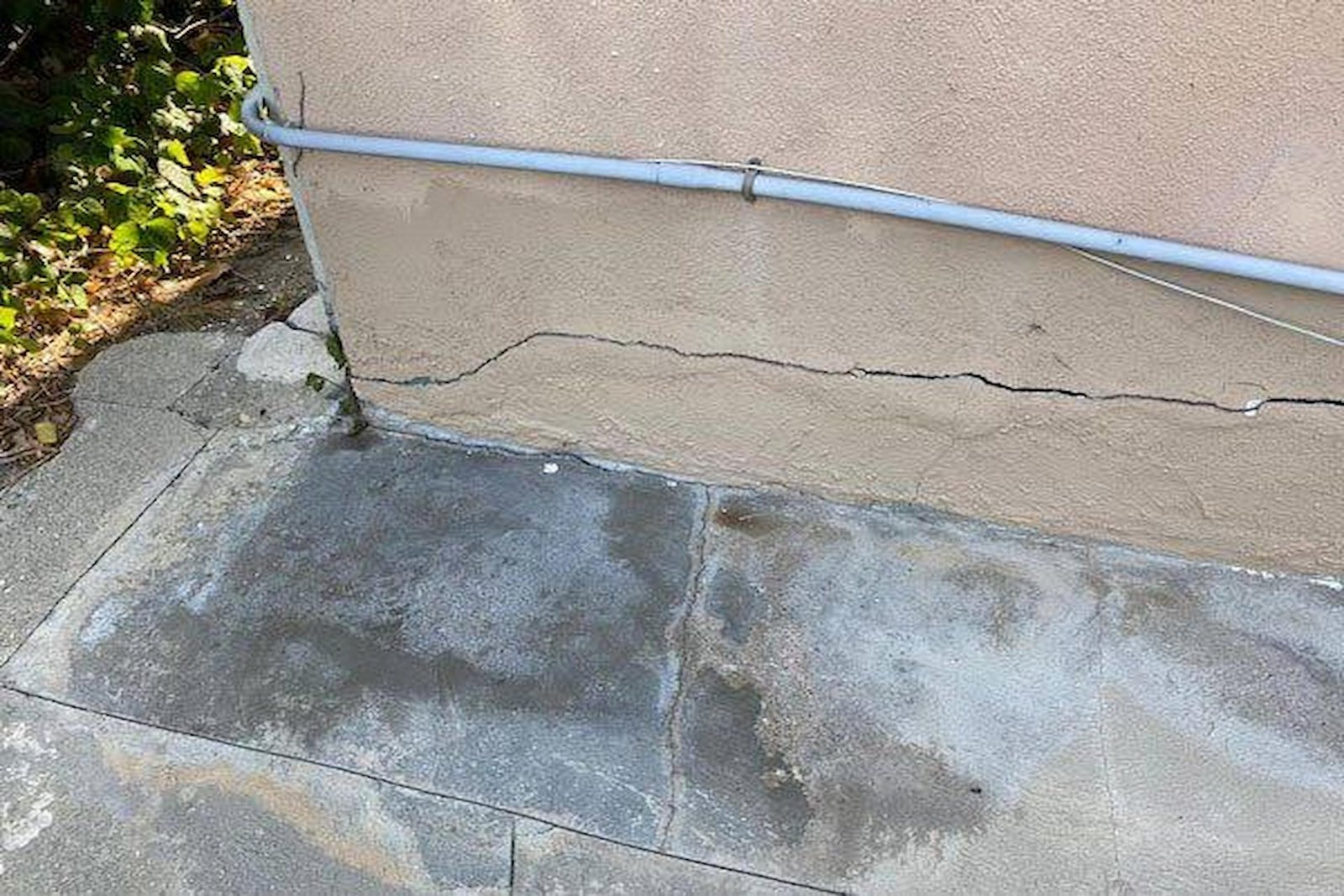
Diagonal cracks typically appear at an angle of 30 to 75 degrees. They may result from uneven settlement, where one section of the foundation moves differently from another.
A small, stable diagonal crack may not be serious. However, a widening diagonal crack often warrants professional evaluation.
Horizontal Cracks
Horizontal cracks deserve immediate attention. These cracks usually indicate pressure from expanding soil pushing against the foundation wall.
Because horizontal cracking can signal structural stress and wall movement, it should never be ignored. Professional assessment is strongly recommended.
Stair-Step Cracks in Brick or Block Foundations
Stair-step cracks follow the mortar joints in a step-like pattern. These cracks frequently appear in brick, block, or masonry foundations.
Minor stair-step cracks may result from normal settlement. Larger cracks that continue growing can indicate foundation movement and may require structural repairs.
Warning Signs That a Crack May Be Serious
The size and behaviour of a crack often matter more than its appearance. Several warning signs suggest a foundation issue may be more significant: A crack wider than approximately 6 millimetres should be monitored carefully. Cracks that continue growing over time deserve professional attention. Water seepage through foundation cracks can accelerate damage and create moisture problems inside the home. Bulging or bowing foundation walls often indicate serious structural pressure. Doors and windows that suddenly stick, become difficult to open, or no longer close properly may signal foundation movement. Uneven floors, gaps around door frames, and separating walls can also point to underlying structural concerns. When multiple symptoms appear together, the likelihood of a significant foundation problem increases.
How to Monitor a Foundation Crack
Not every crack requires immediate repair. In many cases, monitoring can provide valuable information. Take clear photographs of the crack and measure its width. Repeat the process every few months. If the crack remains stable, it may simply be part of the home’s normal settling process. If the crack widens, lengthens, or new cracks appear nearby, further investigation becomes necessary. Keeping records also helps professionals assess whether movement is active or historical.
Common Foundation Repair Methods
The appropriate repair depends entirely on the cause and severity of the problem. For minor cracks, epoxy injection is often sufficient. This method seals the crack and helps prevent water penetration. Polyurethane injection is another common solution, particularly for waterproofing purposes.
Carbon fibre straps may be installed on basement walls showing early signs of movement. These straps strengthen walls and help prevent further displacement. Wall anchors are often used when foundation walls are bowing inward due to soil pressure. They provide additional support and can help stabilise the structure.
For serious settlement issues, underpinning may be necessary. This process strengthens and stabilises the foundation using piers installed beneath the home.
Understanding Repair Costs
Foundation repair costs vary significantly depending on the extent of the problem. Minor crack sealing may cost a few hundred pounds.
Carbon fibre reinforcement and wall stabilisation systems often range from several hundred to several thousand pounds. More extensive repairs involving wall anchors or underpinning can reach several thousand pounds or more, particularly when significant structural movement has occurred. Obtaining multiple professional opinions is often worthwhile before committing to major repairs.
Should You Call a Contractor or a Structural Engineer?
Many homeowners immediately contact foundation repair companies. While reputable contractors provide valuable services, it is important to understand that they also sell repair solutions.
For significant cracks or concerns about structural integrity, an independent structural engineer often provides the most objective assessment. Engineers evaluate the problem without directly profiting from a specific repair method.
Their recommendations can help homeowners determine whether repairs are truly necessary and which solutions are most appropriate.
Frequently Asked Questions
Are hairline foundation cracks normal?
Yes. Hairline foundation cracks are common in concrete foundations and are often caused by normal curing and settling processes rather than structural problems.
When should I worry about a foundation crack?
You should be concerned if a crack widens, allows water intrusion, exceeds 6 millimetres in width, or is accompanied by sticking doors, uneven floors, or bowing walls.
Are horizontal foundation cracks serious?
Horizontal cracks often indicate pressure against foundation walls and should be evaluated by a qualified professional as soon as possible.
Can foundation cracks be repaired permanently?
Many foundation cracks can be permanently stabilised using appropriate repair methods, provided the underlying cause is correctly identified and addressed.
Should I get a structural engineer’s opinion?
Yes. For major cracks or signs of structural movement, an independent structural engineer can provide an unbiased assessment before costly repairs begin.
Conclusion
Finding a foundation crack does not automatically mean your home has a serious structural problem. Many cracks result from normal settling and can be repaired easily or simply monitored over time. The most important factors are the crack’s location, size, direction, and whether it continues to change.
By understanding the warning signs and knowing when to seek professional advice, homeowners can make informed decisions that protect both their property and their budget. A calm, informed approach is almost always the best response. Some cracks require immediate action, while others are simply part of a home’s natural ageing process. Knowing the difference can save considerable stress, time, and money while ensuring your home remains safe and structurally sound for years to come.