Cone crushers are central to efficient material processing, delivering controlled size reduction with consistent output. Their design focuses on gradual compression rather than impact, allowing materials to be shaped accurately while reducing wear. This guide explains how cone crushers operate and why they remain essential in modern processing systems.
Precision Crushing Built Into Modern Systems
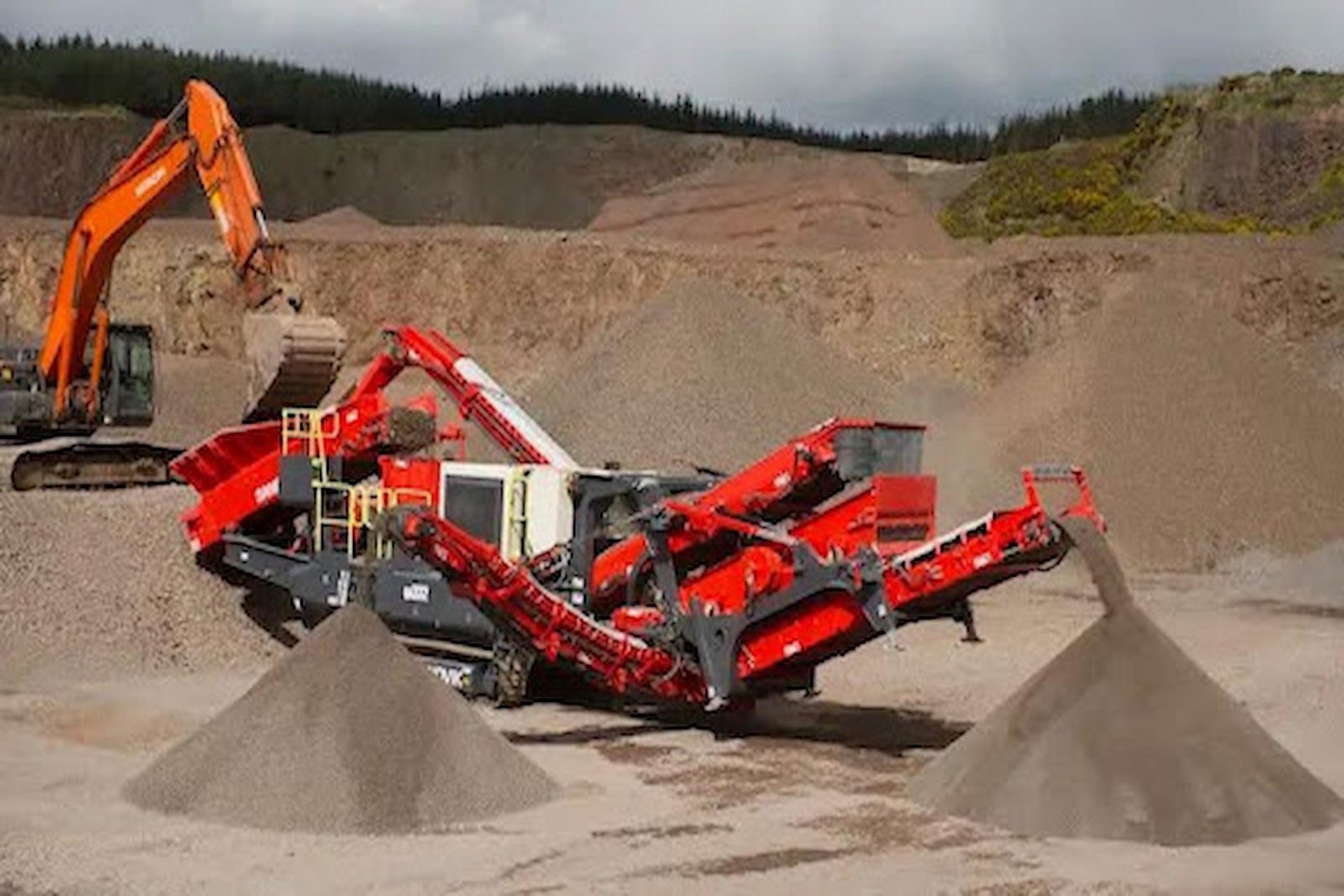
Cone crushers are designed for controlled, predictable material reduction. From the moment material enters the chamber, every movement is guided to maintain stability and uniform pressure. A tracked cone crusher enhances this process by allowing crushing to take place closer to the material source. This improves workflow efficiency while maintaining consistent performance across changing conditions. Rather than forcing rapid breakage, cone crushers rely on steady compression. This protects internal components and supports reliable output quality over extended operation.
The Core Mechanics Behind the Crushing Action
At the heart of the crusher are two surfaces working together. One remains fixed, while the inner cone rotates in a slow, controlled motion. As material travels downward, the space between these surfaces gradually narrows. This compression reduces material size without sudden force, ensuring predictable results within the crushing chamber. This method allows mobile crushing systems to maintain balance and accuracy even during continuous operation.
Why Compression Matters More Than Force
Compression-based crushing reduces material along natural fracture lines. This produces more uniform particle sizes while limiting unnecessary fines. As material cycles through repeated compression, internal weaknesses are gradually removed. Each pass improves consistency without over-stressing the machine. Controlled pressure also helps maintain steady energy use and smoother mechanical operation in modern crushing setups.
Internal Geometry and Its Influence on Output
The shape of the crushing chamber directly affects how material behaves. Chamber angles determine how long material stays inside and how evenly pressure is applied.Balanced geometry ensures material does not exit too early. This allows full reduction before discharge, supporting consistent output size. Carefully designed chambers enable a tracked cone crusher to adapt to different materials while maintaining reliable performance.
Managing Material Flow Through the Chamber
Material flow inside a cone crusher follows a structured path. Gravity feeds material downward while rotational motion keeps it circulating evenly. This controlled movement prevents blockages and distributes wear across internal surfaces. Smooth flow also reduces sudden load changes during operation. Stable flow patterns are essential for maintaining efficiency, especially during extended processing cycles.
Adjusting Output Without Interruptions
Cone crushers allow output size to be adjusted without stopping production. Hydraulic systems move internal components with precision and control. These adjustments help maintain consistent sizing even when feed conditions change. Production continues smoothly without unnecessary downtime. Such flexibility ensures consistent productivity across varying processing requirements.
Wear Control and Long-Term Durability
Wear is unavoidable in crushing environments, but cone crushers are designed to manage it evenly. Replaceable liners absorb most abrasion during operation. Even wear patterns protect internal alignment and extend service life. This reduces the frequency of major maintenance interventions. Mobile configurations benefit from this approach by maintaining performance stability over longer operating intervals.
Energy Efficiency Through Controlled Operation
Cone crushers use energy efficiently by spreading load evenly throughout the crushing cycle. This avoids sudden power spikes and mechanical stress. Steady compression reduces unnecessary energy loss and supports predictable power consumption. This efficiency is particularly valuable in a tracked cone crusher, where consistent performance supports fuel and energy management.
Safety Through Predictable Movement
Controlled mechanical motion improves safety. Cone crushers operate without sudden impacts or aggressive force changes. Automatic protection systems allow the machine to react safely to uncrushable materials, preventing internal damage. These features make mobile cone crushers safer to operate in demanding material processing environments.
Automation and Performance Monitoring
Modern cone crushers incorporate automated systems that monitor pressure, load, and material flow. Adjustments are made in real time. Automation reduces operator input while maintaining optimal crushing conditions. This improves consistency and reduces human error.
Integrated systems help a tracked cone crusher operate efficiently with minimal intervention.
Why Cone Crushers Remain Essential
Cone crushers continue to play a vital role because they balance control, durability, and efficiency. Their design supports consistent output across changing materials. They operate predictably, protect internal components, and maintain reliable performance over time. For controlled material reduction, cone crushers remain a trusted solution in modern processing systems.
Frequently Asked Questions
What materials are typically processed using cone crushers?
Cone crushers are commonly used to process hard and medium-hard materials. They are suited for stone, rock, and aggregates that require controlled size reduction.
How does a cone crusher differ from impact crushing equipment?
Cone crushers rely on gradual compression rather than sudden impact. This results in more consistent sizing and reduced stress on machine components.
Can output size be adjusted during operation?
Yes, most modern cone crushers allow output adjustments while running. Hydraulic systems enable precise control without stopping production.
How does chamber design affect crushing performance?
Chamber shape influences material flow, pressure distribution, and retention time. A well-designed chamber improves consistency and reduces uneven wear.
What factors contribute to longer service life in cone crushers?
Even wear distribution, controlled movement, and stable load conditions are key. These factors reduce mechanical strain and extend maintenance intervals.
Conclusion
Cone crushers are built around precision rather than force. Their compression-based operation allows materials to be reduced gradually, preserving output quality while protecting internal components. From chamber geometry to adjustable settings, each element contributes to reliable and efficient processing. A tracked cone crusher adds flexibility by enabling material processing closer to the source, reducing handling and supporting smoother workflows. This mobility does not compromise control or consistency. Instead, it enhances operational efficiency while maintaining predictable performance.Over time, even wear, stable energy use, and automated control systems reduce operational risk and maintenance demands. Cone crushers continue to meet the needs of modern material processing by combining mechanical balance with intelligent design. When used correctly, they provide a dependable foundation for long-term, controlled production.